Reviewing Christmas Animals Watercolor Clipart for Stitching
As a designer who spends half my life staring at digitized paths and the other half pulling threads through fabric, I have learned to look past the pretty preview image. When I first opened the Christmas Animals Watercolor Clipart Png, my initial reaction was one of cautious optimism. The watercolor aesthetic is undeniably charming, evoking a soft, nostalgic holiday mood that sells well in boutique settings. However, translating a raster-based illustration into a tactile embroidery project requires more than just liking the artwork. It requires understanding how those soft, blended edges will behave under the needle.
In this review, I am evaluating this asset not as a digital graphic, but as a potential cornerstone for real-world production. Whether you are an Etsy seller looking to expand your holiday catalog or a hobbyist making personalized gifts for family, the gap between a PNG file and a finished stitch-out is where profits are made or lost. Let’s dive into how this design holds up when moved from the screen to the hoop.
The Visual Appeal and Mood
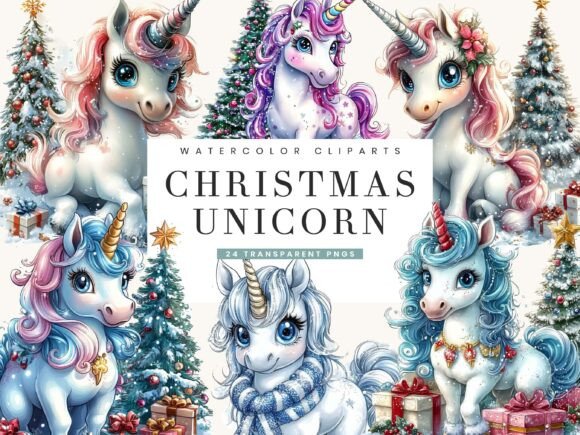
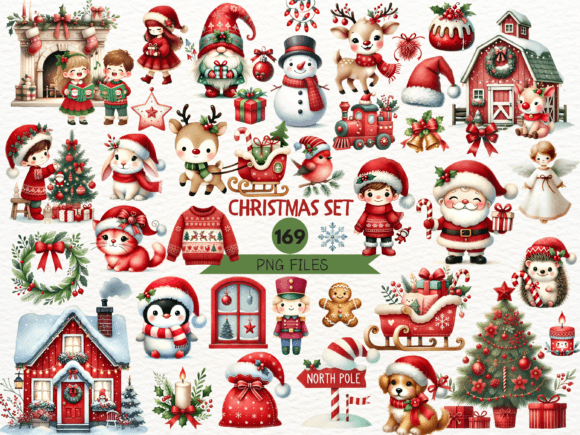
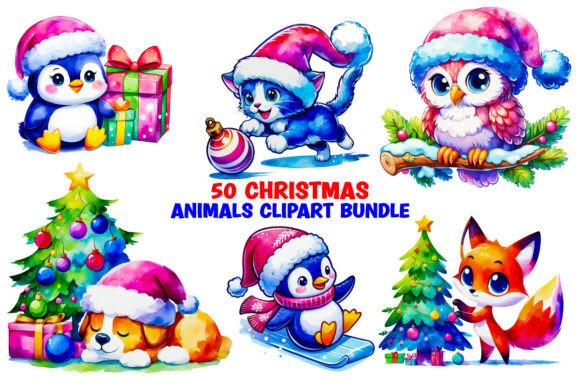
The immediate strength of the Christmas Animals Watercolor Clipart Png lies in its gentle personality. Unlike vector clip art with harsh, definitive lines, watercolor styles offer a dreamy, organic feel. For holiday-themed items, this is a significant advantage. It feels less like mass-produced merchandise and more like a hand-painted handmade product. The animals depicted—likely featuring classic motifs like deer, foxes, or bears—carry a whimsical weight that appeals to parents buying baby embroidery items or customers seeking cozy home decor.
From a branding perspective, this style fits seamlessly into the "cottagecore" or rustic chic niches that dominate current craft trends. If you are building a small shop product line, this aesthetic helps establish a consistent, warm brand identity. However, the softness that makes it visually appealing also presents the primary technical challenge: definition. In embroidery, we rely on contrast and clear boundaries to make a design readable. Watercolor bleeds intentionally blur these boundaries, which means the digitizer (or you, if you are converting it) must make smart choices about thread colors and stitch types to preserve the image's integrity without turning it into a muddy mess.
Real-World Application: The Tote Bag Test
To truly test the viability of this design, I imagined applying it to a standard canvas tote bag design. This is a high-volume item for many craft business owners during the fourth quarter. The texture of canvas is rougher than quilting cotton, which can swallow fine details. When using the Christmas Animals Watercolor Clipart Png as a reference for a machine embroidery design, I would recommend avoiding overly complex fill stitch patterns in the lighter areas of the watercolor. Instead, utilizing a mix of satin stitch for outlines and lighter density fills for the body of the animals would maintain the artistic intent while ensuring durability.
I also considered this design for sweatshirt embroidery. Here, the plush texture of fleece or French terry cloth works in our favor. The softness of the fabric complements the watercolor style, allowing the stitches to sink in slightly and mimic the painted effect. However, one must be wary of stitch density. Too many stitches on a stretchy garment can cause puckering, ruining the professional look of the finished product. A balanced approach, perhaps incorporating some running stitch details for shading rather than dense blocks of color, would keep the garment flexible and comfortable.
Navigating Technical Constraints
While the artistic merit is high, there are specific scenarios where this design requires careful handling. First, consider the hoop size. If you are attempting to scale this down for a small embroidered patch or a cap front, the subtle gradients of the watercolor style may vanish. Small details in watercolor illustrations often rely on color variation rather than line work. In a small hoop, these variations can get lost, resulting in a blob-like appearance. I strongly advise testing the design on scrap fabric at the intended size before committing to final production.
Fabric choice is another critical variable. On dark fabrics, the light, pastel tones typical of watercolor Illustrations may lack sufficient contrast. You might need to adjust the thread colors to be slightly more saturated than the original PNG suggests to ensure visibility. Conversely, on thin or delicate fabrics, the weight of the embroidery could distort the material. Using the correct stabilizer is non-negotiable here. A cut-away stabilizer might be necessary for garments that will undergo frequent washing, ensuring the design remains stable and does not pull away from the fabric over time.
Additionally, if you are creating an applique design based on this clipart, the watercolor edges can be tricky to replicate with fabric cuts. You would need to use a blanket stitch or satin stitch border to define the edges clearly, effectively creating a hybrid look that honors the original art while adhering to the mechanical limits of embroidery machines.
Commercial Viability and Customer Trust
For the commercial embroidery sector, the perceived value of a product is heavily influenced by its clarity and finish. A well-executed version of the Christmas Animals Watercolor Clipart Png can significantly boost customer trust. It signals that the maker pays attention to detail and understands modern aesthetics. When used in custom apparel or holiday decor, it stands out against the generic, rigid designs often found in big-box stores.
However, transparency is key. If you are selling digital products, such as a digital embroidery file converted from this clipart, you must ensure that your licensing allows for commercial use of the derived work. Many creators assume that because they digitized the image, they own the rights, but the underlying artwork may have restrictions. Always verify the license terms associated with the original design assets. For physical goods, showcasing high-quality mockups or photos of the actual stitched item can help bridge the gap between the digital expectation and the tactile reality. A good printable mockup can help visualize the placement, but nothing replaces a photo of the actual thread work on the intended fabric.
Practical Designer Notes for Success
Before you load this design into your machine or send it to a client, keep these practical steps in mind:
- Test on Scrap Fabric: Always run a test stitch-out on the same type of fabric you plan to use for the final product. This reveals issues with tension, density, and color blending.
- Check Thread Contrast: Watercolor relies on subtle shifts. Ensure your thread palette has enough variation to distinguish between the different elements of the animal and the background.
- Review Stitch Density: High density can lead to stiffness and puckering. Optimize your digitizing to use the minimum number of stitches required to achieve the desired visual effect.
- Confirm Hoop Size: Ensure the design fits comfortably within your hoop with adequate margin for stabilization, especially for larger items like pillow covers or blankets.
- Inspect Small Details: Zoom in on the digitized file. Are there tiny jumps or unnecessary trims? Clean up the path to reduce thread waste and production time.
- Black and White Check: View your design in grayscale. If the elements blend together without color, you may need to adjust outlines or spacing to improve clarity.
- Licensing Verification: Double-check the usage rights for the Christmas Animals Watercolor Clipart Png to ensure you are compliant for both personal and commercial projects.
In conclusion, the Christmas Animals Watercolor Clipart Png is a versatile and emotionally resonant asset for the holiday season. It offers a fresh alternative to traditional, rigid holiday motifs. However, its success depends entirely on the skill of the translator—the designer who converts the soft pixels into sturdy threads. By respecting the limitations of the medium and prioritizing technical precision, you can transform this simple illustration into a standout holiday embroidery piece that delights customers and elevates your brand. Treat it with the care it deserves, and it will reward you with beautiful, sellable results.