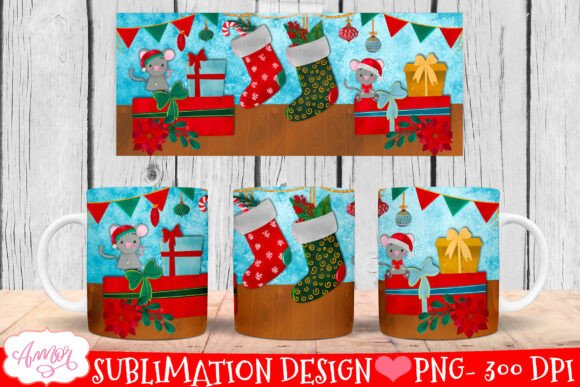
Reviewing the Christmas Stocking Mug Wrap PNG
As a designer who has spent countless hours digitizing and stitching out holiday motifs, I approach every new Christmas Stocking Mug Wrap PNG Design with a mix of excitement and healthy skepticism. We have all been there: you find a graphic that looks adorable on screen, only to realize it turns into a tangled mess of thread once it hits the fabric. Today, I am breaking down this specific design from the perspective of real-world application, focusing on how it translates from a digital illustration to a tangible, stitched product.
First Impressions and Visual Personality
The immediate appeal of this design lies in its thematic clarity. It captures the cozy, nostalgic essence of the holiday season without relying on overly complex details that often plague seasonal graphics. The layout is streamlined, which is crucial for embroidery. When I first loaded the file into my viewing software, I looked for clean lines and logical color breaks. This design delivers a balanced composition that feels intentional rather than cluttered. For those of us selling handmade products, visual simplicity often translates to higher perceived value because the craftsmanship shines through without fighting against a chaotic background.
The mood is warm and inviting, making it an ideal candidate for items meant to evoke comfort. Whether you are aiming for a rustic cabin vibe or a modern minimalist holiday aesthetic, the shape and theme of this wrap adapt well. It does not scream for attention; instead, it offers a subtle nod to the season, which is exactly what many contemporary buyers are looking for in their personalized gifts.
Real-World Application: Beyond the Screen
Let’s talk about where this design actually lives. While the title suggests a mug wrap, my mind immediately went to custom apparel and home goods. I recently worked on a batch of heavy cotton tote bags for a local boutique, and a design like this would have been perfect. The horizontal orientation of a mug wrap often translates beautifully to the chest area of a sweatshirt or the center panel of a tote bag design.
Imagine this stitched onto a cream-colored canvas tote. The contrast of traditional reds and greens against the natural fabric texture creates an instant classic look. Alternatively, consider sweatshirt embroidery. Placing this design on the left chest of a heather grey crewneck creates a sophisticated, understated holiday look that customers can wear from November through January without feeling like they are wearing a costume. This versatility is key for Etsy sellers and small shop product creators who need designs that offer longevity beyond a single day of use.
For those interested in baby embroidery, this motif could be scaled down for a onesie or a burp cloth. However, caution is required here. Babies have sensitive skin, so ensuring the back of the stitching is clean and using a soft cut-away stabilizer is non-negotiable. The design’s lack of excessive density makes it a safer bet for delicate items compared to heavier, fill-heavy alternatives.
Technical Considerations for Stitching Success
When evaluating any machine embroidery design, we must discuss the mechanics of stitching. Since this is provided as a PNG, it is likely intended for sublimation, printing, or as a reference for manual digitizing. If you are planning to stitch this out, you cannot simply print a PNG and expect your machine to read it. You need a proper digital embroidery file format compatible with your machine, such as PES, DST, or EXP. If you are digitizing this yourself from the PNG, pay close attention to the stitch density.
Holiday designs often suffer from "over-digitizing," where every tiny detail is filled with stitches. This leads to puckering, especially on thinner fabrics. My advice is to utilize a combination of satin stitch for borders and text elements, and sparse fill stitch or even running stitch for larger background areas. This approach reduces bulk and keeps the fabric flat. If you are using this as an applique design, ensure the placement lines are clear and the tack-down stitches are secure to prevent shifting during the wash cycle.
Fabric choice plays a massive role in the final outcome. On textured fabrics like terry cloth towels or fluffy fleece, small details can get lost. I recommend testing the design on scrap fabric first. Check how the thread colors interact with the base material. A dark green thread might disappear on a black sweatshirt, so you may need to adjust your palette for better contrast. Always test on both light and dark backgrounds to see if you need an underlay or a different color strategy.
Navigating Challenges and Limitations
While this design is versatile, it is not without its constraints. Curved surfaces, such as caps or hats, require careful hoop placement. If the design is too wide, it may distort around the curve of a baseball cap. In such cases, consider splitting the design or reducing its width significantly. For embroidered patch creation, ensure you leave enough margin around the edges for a clean merrowed or satin border.
Another critical area is washing durability. Holiday items, especially kitchen towels and aprons, undergo frequent laundering. High stitch density can cause fabric fatigue over time. By keeping the design open and airy, you enhance the lifespan of the finished product. Avoid placing dense stitch areas directly next to each other, as this can cause the fabric to pucker and pull, ruining the professional look you are aiming for.
Enhancing Brand Value and Customer Trust
From a business standpoint, the quality of your embroidery directly impacts customer trust. A clean, well-stitched design signals professionalism. When a customer receives a holiday embroidery item that looks crisp and durable, they are more likely to return for future purchases. This design, when executed correctly, contributes to brand consistency. It feels cohesive with other high-quality design assets you might offer.
For commercial embroidery projects, presentation is everything. Use high-quality printable mockup tools to showcase how the design looks on various products before you even stitch a single thread. This helps manage customer expectations and reduces the likelihood of returns. Show the design on a mug, a shirt, and a pillow cover to demonstrate its flexibility. This visual storytelling helps buyers envision the item in their own homes, increasing conversion rates for your craft business.
Final Designer Notes
Before you commit to a large production run, take the time to do a thorough test stitch. Check the tension, inspect the bobbin work, and ensure there are no loose threads. Verify the hoop size requirements to ensure it fits within your machine’s capabilities without re-hooping, which can lead to misalignment. If you are unsure about the licensing terms for commercial use, always clarify this with the creator. Understanding whether you can sell the embroidery project as a physical item or if there are restrictions is vital for legal compliance.
In conclusion, the Christmas Stocking Mug Wrap PNG Design offers a charming, versatile foundation for your holiday collection. With careful attention to digitizing techniques, fabric selection, and stitching parameters, it can elevate your custom apparel and home decor offerings. It is a reminder that in embroidery, less is often more, and thoughtful execution always trumps complexity. Happy stitching!